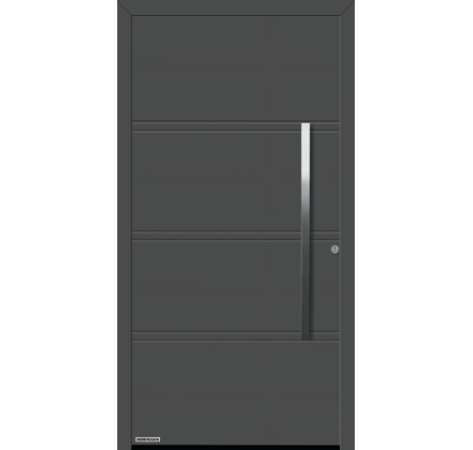
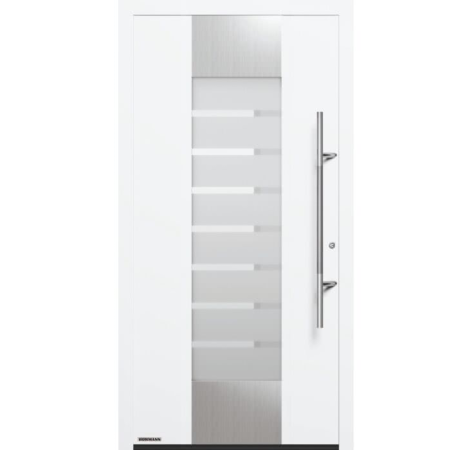
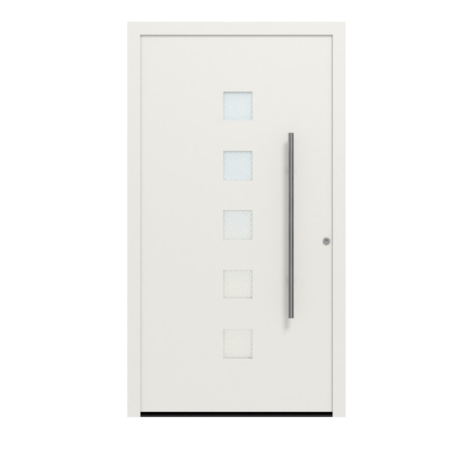
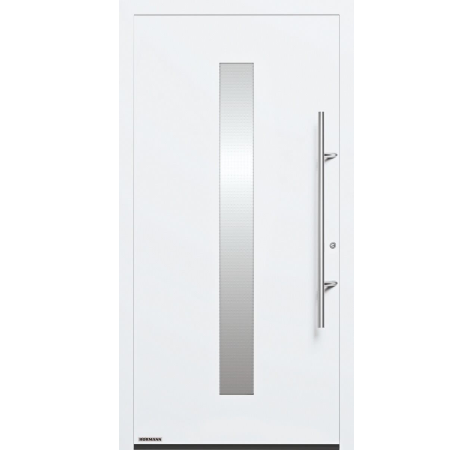
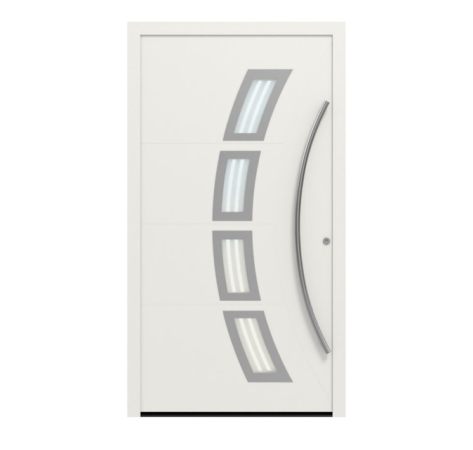
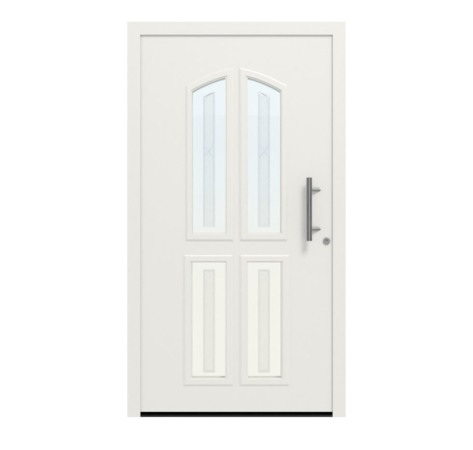
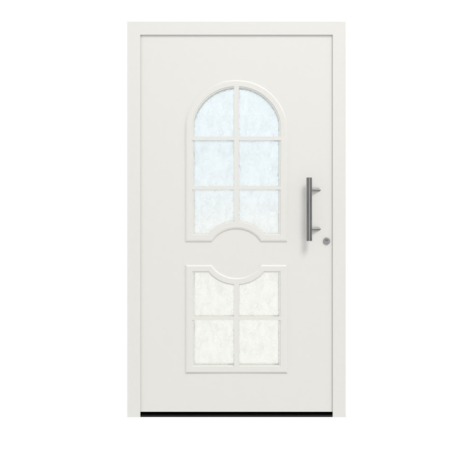
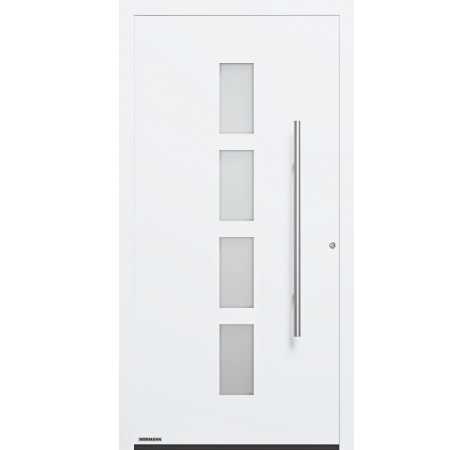
A fire-rated door is a specially engineered door designed to slow or prevent the spread of fire and smoke between different areas of a building for a specified period of time, such as 30, 60, or 90 minutes. It is a key component of passive fire protection systems and helps protect escape routes and improve overall building safety.
How do fire-rated doors work?
Fire-rated doors work by using fire-resistant core materials such as solid timber, steel, or composite constructions combined with intumescent seals that expand when exposed to heat. This expansion helps seal gaps around the door frame, limiting the passage of flames, smoke, and hot gases while maintaining the door’s structural integrity for as long as its rating allows.
What fire-resistance ratings are available?
Fire-rated doors are classified based on how long they can withstand fire exposure under test conditions, with common ratings including 30, 60, or 90 minutes of protection. These ratings indicate the minimum time the door can maintain its integrity and insulation, helping building owners choose the appropriate level of protection based on safety requirements and regulations.
Where are fire-rated doors required?
Fire-rated doors are typically required in buildings where fire compartmentation is necessary, such as stairwells, corridors, apartment complexes, commercial buildings, hotels, and garages connected to living spaces. Their main purpose is to contain fire in a specific area and protect evacuation routes so occupants can safely exit the building.
Are fire-rated doors mandatory?
In many cases, fire-rated doors are required by local building codes and fire safety regulations, especially in multi-family residential buildings, commercial properties, and public facilities. The exact requirements depend on the building type, occupancy level, and applicable national or regional safety standards.
How are fire-rated doors tested?
Fire-rated doors are tested in certified laboratories where they are exposed to controlled fire conditions and extreme temperatures to evaluate how long they can maintain structural integrity, insulation, and smoke resistance. Only doors that meet strict performance criteria under standardized testing procedures receive official fire-rating certification.